Wondering if Harvest makes sense for your daily drive in North Alabama? If you are trying to balance commute time with more space, more house, or a quieter setting, Harvest often comes up for good reason. The key is knowing what you gain, what you give up, and how much your exact route really matters. Let’s dive in.
Harvest Commute at a Glance
Harvest is a small community in northwest Madison County with 5,893 residents and 12.33 square miles of land area, according to the U.S. Census. It has a 2020 to 2024 mean travel time to work of 26.0 minutes.
That puts Harvest in a practical middle ground for many buyers. It is not the closest option to major job centers, but it is still workable for a lot of North Alabama households.
For comparison, Huntsville’s mean travel time to work is 19.7 minutes, and Madison’s is 20.2 minutes. So if your top goal is the shortest possible commute, Harvest may not be your first choice. If your goal is a better balance of space and drive time, it deserves a closer look.
Why Harvest Stays on Buyers’ Lists
A big reason Harvest gets attention is its location relative to major employment hubs. Huntsville’s economic base includes NASA Marshall Space Flight Center, Redstone Arsenal, and Cummings Research Park, which is described by its own site as the second largest research park in the country and the fourth largest in the world, with 300 organizations.
That matters because many North Alabama buyers are not commuting to one central downtown office. They are heading to places spread across Huntsville, Madison, Research Park, and Redstone-related destinations.
For those work patterns, Harvest can make more sense than people first assume. Especially if your destination is on the west or northwest side of the metro, the drive may feel more manageable than a broad map view suggests.
Typical Drive Times From Harvest
Current travel calculators put Harvest to Huntsville at about 25 minutes and 17 miles. Harvest to Madison is about 20 to 25 minutes and 11 miles.
Those numbers help set expectations. Harvest is usually not an ultra-close commute option, but it often lands in the range many buyers consider reasonable for everyday travel.
It is also worth remembering that commute times in Harvest are not one-size-fits-all. Some address-specific listing examples have shown noticeably shorter drives to Redstone Arsenal and Cummings Research Park than the broader Harvest averages would suggest.
Your Street Matters More Than the ZIP
This is one of the biggest takeaways for buyers looking in Harvest. The community name tells you only part of the story.
Some homes offer quicker access to Highway 53, Highway 72, or Research Park Boulevard. Others may add enough extra minutes to change how the commute feels day to day.
If you are comparing homes in Harvest, focus on the exact route from that property to your job, not just the town name in the listing. A house on the right side of your drive pattern can feel much more convenient than the average numbers suggest.
Main Roads That Shape the Commute
Harvest listings often highlight access to Highway 53, Highway 72, and SR 255, also known as Research Park Boulevard. These corridors are a big part of how residents move toward Huntsville, Madison, and major employment centers.
Highway 53 is especially important in the area. Commercial and residential listings in Harvest regularly point to it as a key connector to other major routes.
That said, easy access on paper does not always mean an easy drive at your specific time of day. Commute comfort depends on where you enter the road network, when you leave, and where your destination sits within the larger metro.
Road Improvements Are Part of the Story
There is active road investment shaping the commute picture around Harvest. ALDOT is widening SR-53 and adding turn lanes at Harvest Road, McKee Road, and Old Railroad Bed Road.
Huntsville’s Major Street Plan also identifies Research Park Boulevard as a major corridor and notes future capacity projects such as the Arsenal East Connector and Northern Bypass extension. These improvements matter because they show long-term attention to traffic flow in this part of the region.
Still, road projects do not erase daily traffic patterns. If you are serious about Harvest, it is smart to test-drive your route during the same hours you would actually commute.
What You Get in Exchange
For many buyers, the appeal of Harvest is not just the commute. It is what you may gain by living a little farther out.
The Census shows Harvest with an owner-occupied housing rate of 82.7 percent, a median owner-occupied home value of $281,300, and a population density of 477.8 people per square mile. Those numbers point to a more ownership-focused and lower-density setting than many closer-in options.
Compared with Huntsville, Harvest has a slightly lower median owner-occupied home value and lower monthly mortgage cost. Compared with Madison, the difference is more dramatic, with Madison showing a median home value of $398,800 and a monthly mortgage cost of $2,055, versus Harvest at $281,300 and $1,388.
Harvest vs. Huntsville and Madison
If you are deciding where to live based on commute and lifestyle, here is the practical tradeoff.
Harvest often gives you a less urbanized feel than Huntsville and a more value-oriented housing profile than Madison. At the same time, you usually accept a longer drive than you would in either city.
That tradeoff can work very well if your priorities include:
- More house for the money
- A larger lot
- More storage or outdoor space
- Newer construction options
- A quieter setting with access to nearby cities
If your top priority is being as close as possible to downtown Huntsville or central Madison, Harvest may feel less ideal.
Who Harvest Fits Best
Harvest is often a strong fit for buyers who can live with a roughly 20 to 25 minute normal commute in exchange for more flexibility in home style and setting. That can be especially appealing if you work in northwest Huntsville, near Research Park, or have a hybrid schedule.
It can also make sense if you are relocating and want to avoid paying a premium for being closer in before you know how often you will need to drive into the office. In that case, Harvest may offer a practical landing spot with room to breathe.
Buyers who want a no-compromise commute, though, may want to compare Harvest carefully against closer-in areas. The answer depends less on whether Harvest is “good” or “bad” and more on what matters most in your everyday routine.
The Housing Mix Adds Flexibility
Another reason Harvest stands out is the range of property types you may find. Inventory examples in the area point to both conventional subdivision living and larger-lot or acreage opportunities.
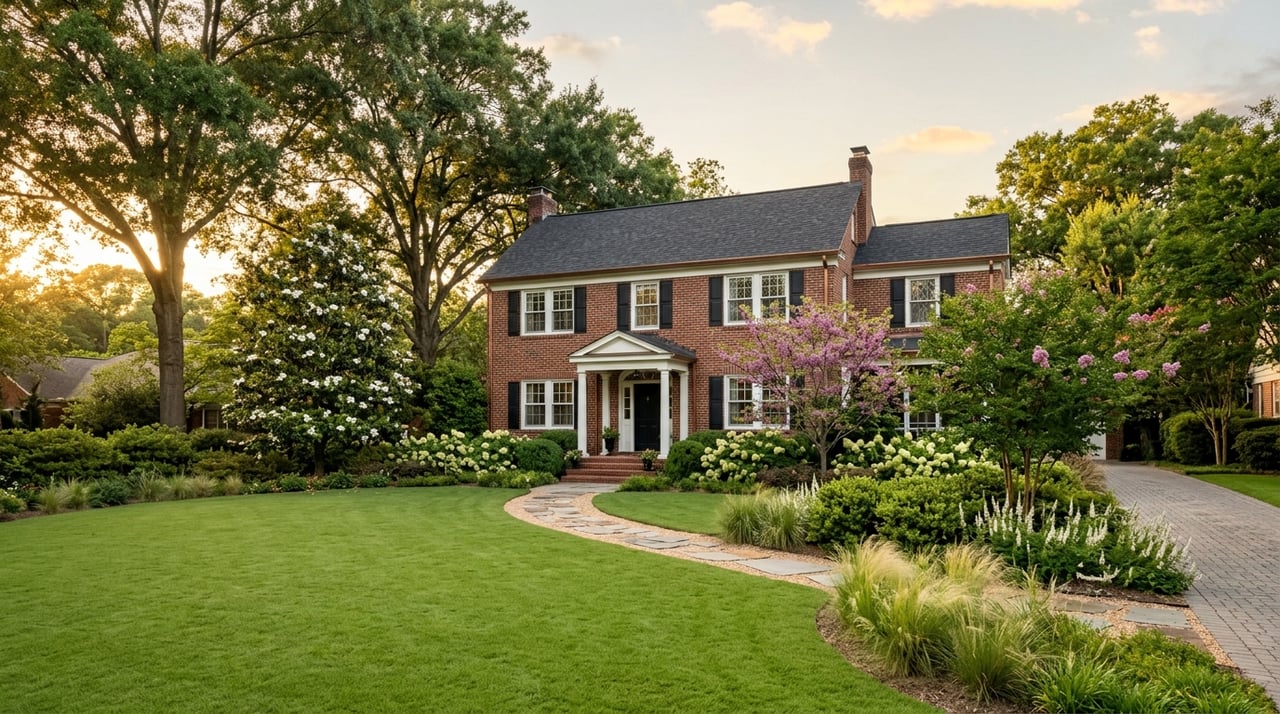
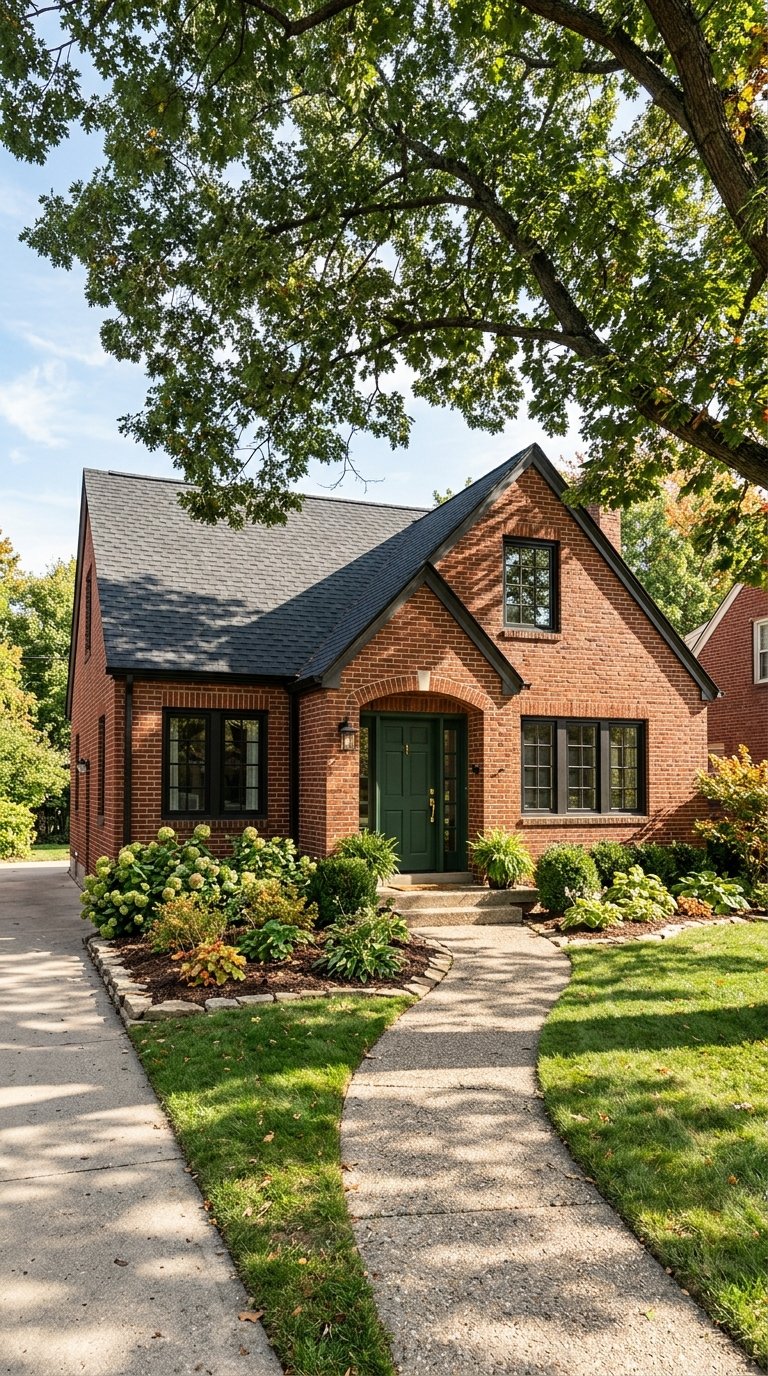
That means Harvest can appeal to different kinds of buyers. You may find newer homes in planned communities, or you may find properties with more land and a more spread-out feel.
If you are looking for a home that gives you breathing room without losing access to Huntsville and Madison, Harvest offers a mix worth exploring.
How to Decide if Harvest Works for You
Before you rule Harvest in or out, use a simple checklist.
Test the Real Commute
Drive from the exact property to your workplace at the time you would normally leave. Do the same drive coming home if that return trip matters just as much.
Compare Space vs. Drive Time
Ask yourself what you gain by living in Harvest. More lot size, a different home layout, or a lower monthly cost may be worth the added minutes.
Think About Your Weekly Routine
Your commute is not only about work. Consider how often you will drive to shopping, dining, errands, and other regular destinations in Huntsville or Madison.
Factor in Work Flexibility
If you commute five days a week, every extra minute counts more. If you work hybrid or split time between locations, Harvest may feel like a stronger value play.
The Bottom Line on Harvest
Harvest is best understood as a value-and-space tradeoff community, not a no-compromise commute choice. For many North Alabama buyers, that is exactly the right balance.
You can get a practical location with access to major work hubs, while also gaining a more ownership-heavy, lower-density setting than you may find in Huntsville or Madison. The deciding factor is usually not just Harvest itself, but the exact address and route.
If you want candid, local guidance on how Harvest compares with other North Alabama options, Alice Battle can help you sort through the tradeoffs and find the fit that makes sense for your lifestyle.
FAQs
Is Harvest, Alabama a good place for a Huntsville commute?
- Harvest can be a workable option for many Huntsville-area commuters, with current drive estimates around 25 minutes to Huntsville, but it is generally not as close as living in Huntsville or Madison.
How long is the average commute from Harvest, Alabama?
- The U.S. Census reports a 2020 to 2024 mean travel time to work of 26.0 minutes for Harvest.
Is Harvest closer to Madison or Huntsville for daily driving?
- Current travel estimates suggest Harvest to Madison is about 20 to 25 minutes and 11 miles, while Harvest to Huntsville is about 25 minutes and 17 miles.
What kinds of buyers are a good fit for Harvest, Alabama?
- Harvest often fits buyers who are comfortable with a moderate commute in exchange for more space, a quieter setting, larger lots, or a more value-oriented housing profile.
Do all homes in Harvest have the same commute experience?
- No. Exact street location, access to roads like Highway 53 and Research Park Boulevard, and peak-hour traffic can make one Harvest address feel much more convenient than another.