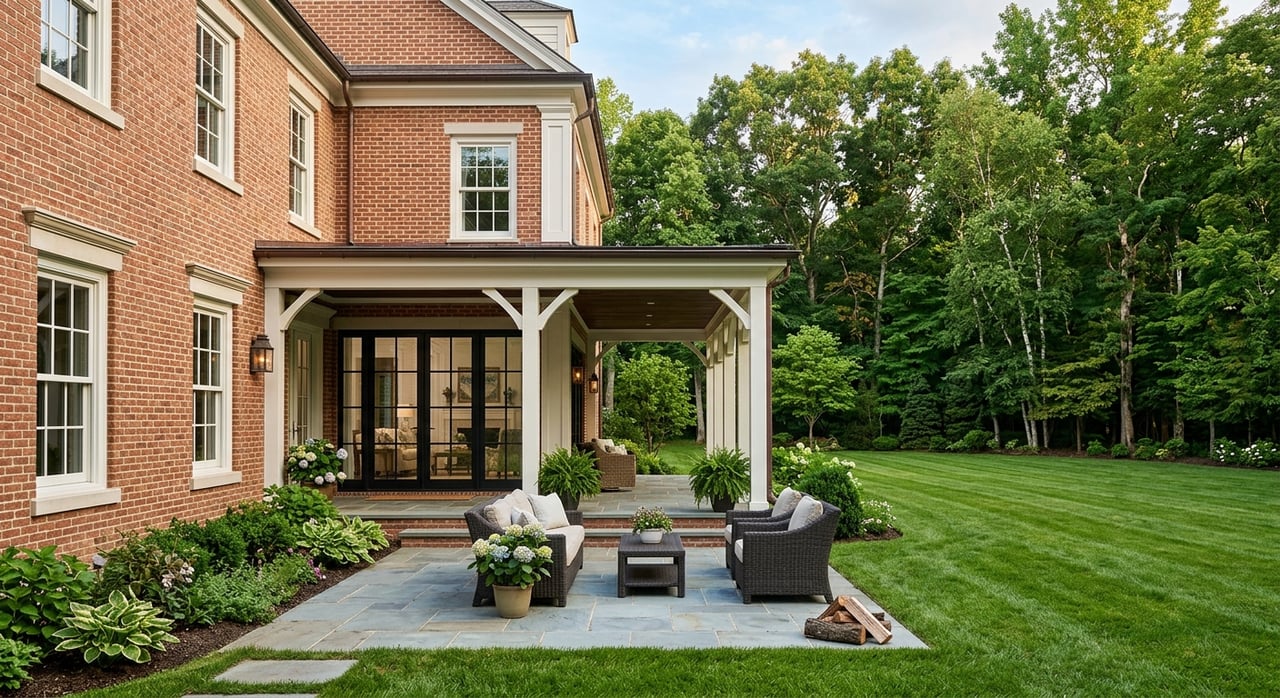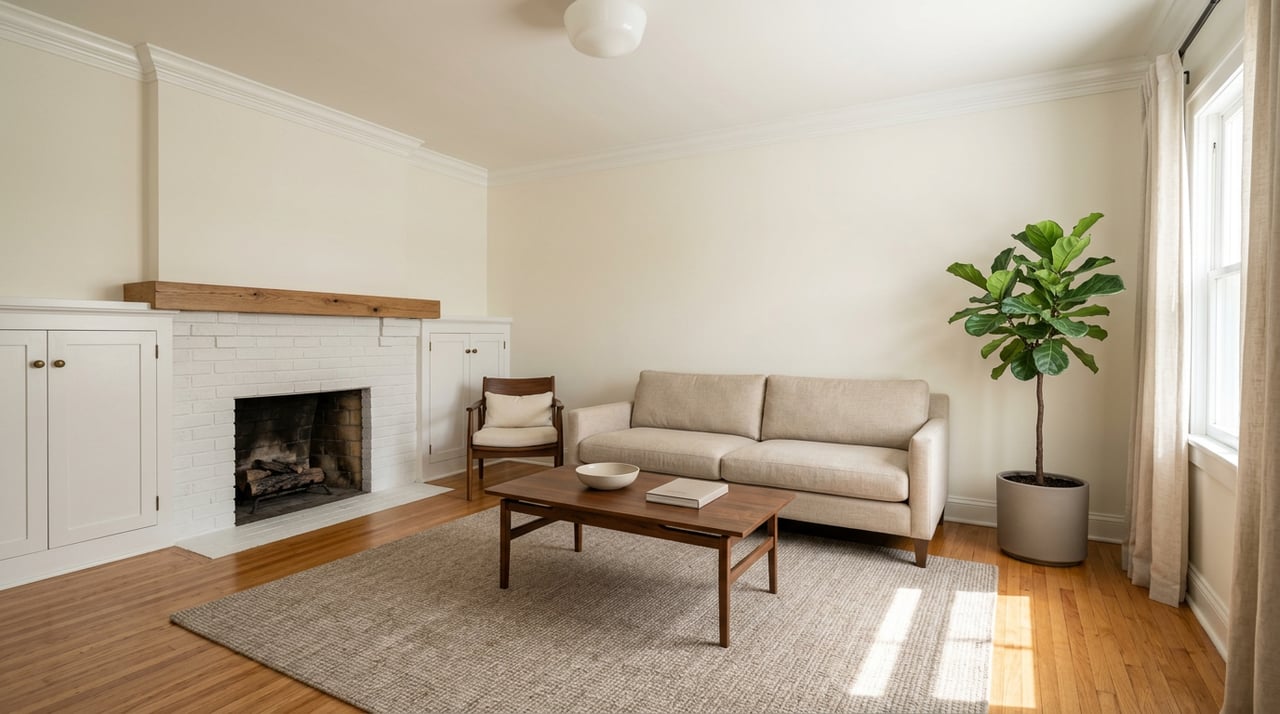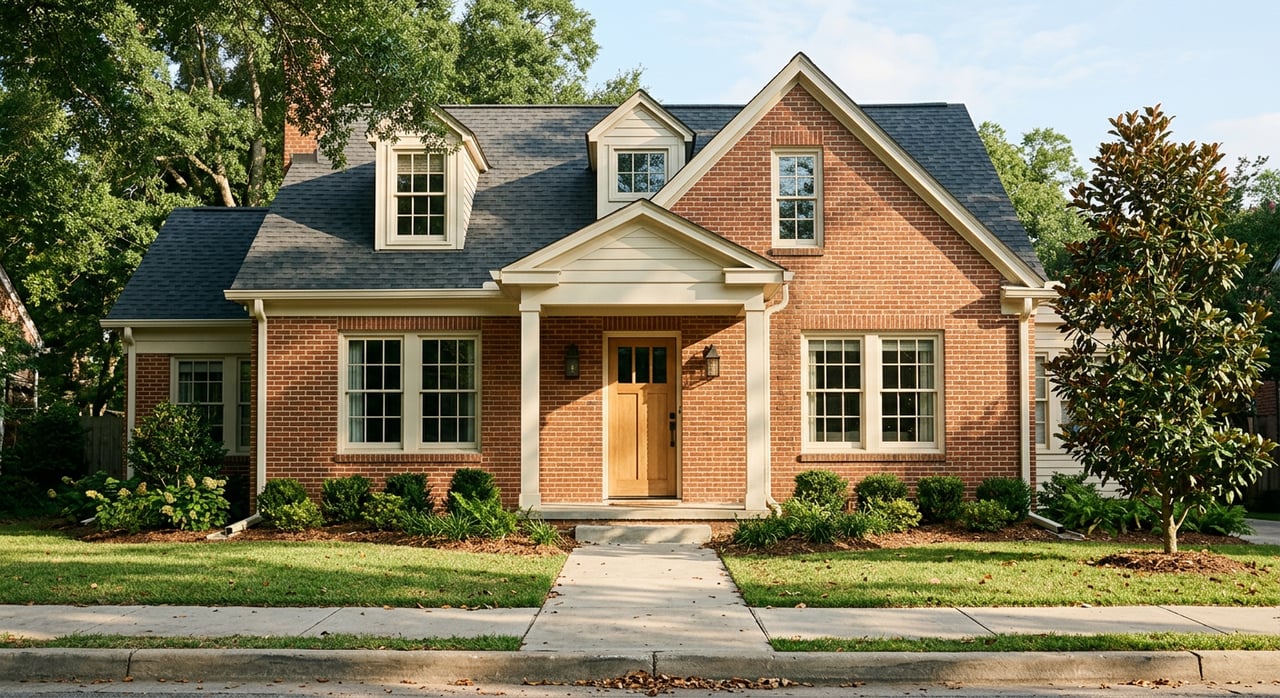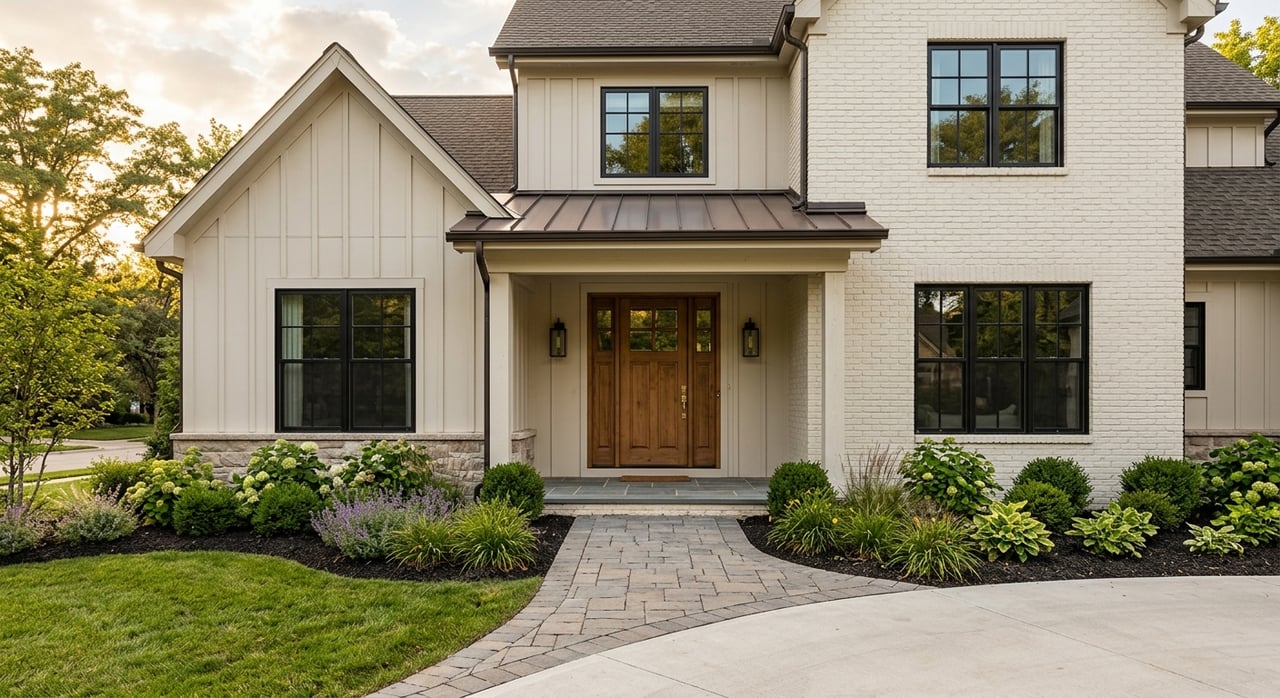
If you are trying to choose between an older home and a newer one in Madison, you are not just comparing age. You are really comparing layout, upkeep, location, energy performance, and the kind of daily life you want. In a city where most homes were built after 1960 and growth land is getting tighter, that choice can look different here than it does in other markets. This guide will help you weigh the tradeoffs clearly so you can decide with confidence. Let’s dive in.
Why this choice matters in Madison
Madison has a housing mix that is newer than many buyers expect. According to the city’s planning materials, more than 98% of homes were built since 1960 and 64% were built since 1990. That means “older” in Madison often refers to downtown historic homes, older brick ranches from the 1960s and 1970s, or homes in long-established neighborhoods rather than a large stock of prewar properties.
At the same time, Madison’s future growth is becoming more constrained. The city notes that developable land inside city limits is limited, so future housing growth will depend more on infill, redevelopment, and annexation than on endless outward expansion. You can see more context in the city’s overview of managing growth in Madison.
What older homes in Madison usually mean
In Madison, older homes are often found closer to the city’s older core, including areas around downtown and parts of the east side. The city also notes a small historic downtown neighborhood dating to the late 1800s, along with established residential areas that developed later. You can explore those broader housing patterns in the city’s planning materials.
That matters because an older home here may offer charm and a more established setting, but it may not be “historic” in the formal sense. In many cases, it may simply be old enough that systems, finishes, and floor plans deserve a careful look before you fall in love with the curb appeal.
Common strengths of older homes
Older homes in Madison often appeal to buyers who want personality and a lived-in neighborhood feel. Depending on the property, you may find:
- Brick ranch architecture and more traditional styling
- Established streets and mature landscaping
- Closer proximity to downtown or older community areas
- Less cookie-cutter floor plans
- Character details that stand out from newer construction
For many buyers, that sense of place is a real advantage. If you want a home that feels distinct and rooted in Madison’s earlier growth, an older property may be worth the extra scrutiny.
Common tradeoffs of older homes
The biggest caution with older homes is not always appearance. It is what you cannot see right away. Madison planning documents note that some neighborhoods are approaching a stage where reinvestment is needed, which makes due diligence especially important.
In practical terms, you may need to pay closer attention to:
- Roof age and replacement history
- HVAC age and cooling performance
- Window condition
- Insulation levels
- Duct sealing and airflow
- Moisture issues
- Layout efficiency compared with newer homes
The U.S. Department of Energy says older homes often have inadequate insulation or aging heating and cooling equipment. Its guidance on professional home energy assessments also highlights common upgrade priorities like air sealing, insulation, duct improvements, moisture correction, and HVAC updates.
What newer homes in Madison usually offer
Newer development in Madison has been concentrated more on the west side, where the city has had larger areas of open land. A city planning summary notes that approved and constructed west side subdivisions totaled 2,196 acres and were exclusively single-family detached construction, with an average lot size of 14,000 square feet.
Madison’s zoning framework also shows a range of newer residential formats, from detached homes on low-density lots to fee-simple detached lots with 7,500-square-foot minimums and townhouse projects with 3,000 square feet per unit at up to 10 units per acre. You can review those details in the city’s zoning ordinance.
Common strengths of newer homes
For many buyers, newer construction is appealing because it can simplify the first few years of ownership. Depending on the home and builder, you may benefit from:
- More standardized and open layouts
- Less immediate maintenance
- Newer roofing, HVAC, and windows
- Modern kitchens and baths
- Better code-era energy performance
Madison requires new one- and two-family homes to comply with the 2015 International Energy Conservation Code through third-party verification. The city outlines those standards on its inspections page. That does not mean every new home will have the same utility costs, but it does support the idea that newer homes often start with stronger energy standards.
Common tradeoffs of newer homes
The tradeoff is that newer homes are often tied to a more suburban subdivision pattern. If you picture a more central, established setting or a highly individual design, some newer options may feel less distinctive.
Turnkey condition can also come at a premium. Market context matters here. According to the HAAR annual and Q4 real estate economics report, Madison County had a $332,129 median sales price, 54 days on market, and new construction made up 31% of Q4 closings in 2025. The Q1 2025 report in that same source put new construction at 37% of sales, with the most active price band at $350,000 to $500,000.
How Madison’s climate affects your decision
In North Alabama, home performance matters. Alabama has a humid subtropical climate with long hot summers, mild winters, and generous rainfall, according to the University of Alabama in Huntsville’s overview of Alabama’s climate.
That means cooling efficiency, duct integrity, insulation, and moisture control deserve extra attention, especially in older homes. A charming house can still be a smart buy, but only if you understand what it may take to keep it comfortable and efficient in Madison’s climate.
Older vs. newer homes at a glance
| Factor | Older Madison Homes | Newer Madison Homes |
|---|---|---|
| Typical setting | Downtown, east side, established areas | West side subdivisions, newer planned areas |
| Main appeal | Character, mature streets, individuality | Turnkey condition, modern layouts, lower near-term maintenance |
| Main concern | Reinvestment, system age, efficiency | Higher price for move-in-ready condition, more standardized feel |
| Energy performance | Varies widely by updates | Built to newer energy-code standards |
| Layout style | May be more traditional or segmented | Often more open and standardized |
Questions to ask before you choose
The right choice depends less on age and more on fit. Ask yourself these questions before you decide which type of home makes more sense.
Do you want character or convenience?
If you light up when you see original details, mature trees, or a home that feels different from the next one, an older home may be the better match. If you want fewer projects and a more predictable first year, newer construction may be the easier path.
How much maintenance can you handle?
An older home may ask more of you upfront. Even if it has been updated, you will want to confirm the age and condition of major systems and budget for future work. A newer home may reduce those immediate unknowns.
How important is energy efficiency?
If monthly comfort and utility performance are high priorities, compare homes carefully. In Madison’s climate, HVAC condition, insulation, duct sealing, and moisture management can have a big impact. Older homes can perform well, but only if the right improvements have been made.
Which location pattern fits your lifestyle?
In Madison, older homes tend to cluster closer to downtown and older established areas, while newer homes are often on the west side in newer subdivisions. Think about your preferred setting, your drive patterns, and whether you want an established streetscape or a more recently developed neighborhood.
Are you buying for resale too?
Resale is never just about finishes. Madison planning materials note that buyers and renters often choose the city for its schools, so school-zone considerations can be part of the value conversation along with age, condition, and location. The key is to think long term about what future buyers may care about in the specific area you choose.
Do not overlook permits and project timing
If you are considering an older home with update plans, be realistic about the process. Madison requires permits for many common improvement projects, including windows, vinyl siding, and roof replacement. The city outlines permit-related items in its FAQ page.
That does not mean you should avoid an older home. It simply means your budget and timeline should include more than contractor pricing. You will also want to understand permits, scheduling, and the order in which work should happen.
A practical way to decide
If you are torn, narrow the choice to the lifestyle you want first and the house second. Madison gives you both established older areas and newer subdivision options, but they solve different problems.
Choose an older home if you value character, an established setting, and you are comfortable evaluating updates carefully. Choose a newer home if you want simpler maintenance, a more modern layout, and stronger code-era energy performance from day one.
If you want help comparing specific homes in Madison, Alice Battle offers candid, local guidance to help you sort through the tradeoffs and make a decision that fits how you actually want to live.
FAQs
How old are most homes in Madison, Alabama?
- According to Madison planning materials, more than 98% of homes were built since 1960, and 64% were built since 1990.
Where are older homes typically located in Madison?
- Older homes are generally concentrated around downtown and on the east side, while newer subdivisions are more common on the west side.
Are newer homes in Madison more energy efficient?
- New one- and two-family homes in Madison must comply with the 2015 International Energy Conservation Code through third-party verification, which generally supports stronger baseline energy performance.
What should you inspect carefully in an older Madison home?
- Pay close attention to HVAC, insulation, ducts, windows, roof age, moisture issues, and whether the layout works for your daily needs.
Do home updates in Madison require permits?
- Yes, Madison requires permits for many common projects, including roof replacement, windows, and vinyl siding, so it is smart to confirm permit needs before planning renovations.