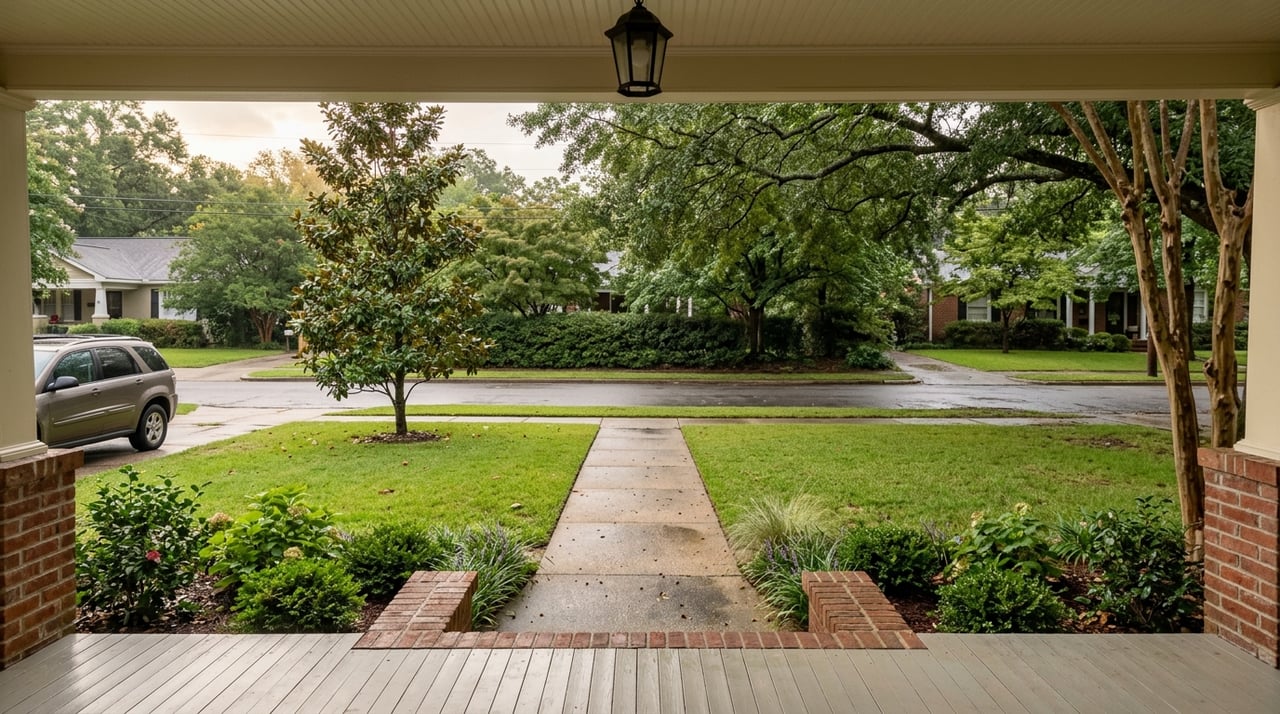
If you are drawn to neighborhoods with a little more history, a little more shade, and a little more sense of place, Madison’s established areas may stand out right away. You are not just looking for a house count or a price point. You are trying to picture your daily life, from the drive home to the feel of the street outside your front door. This guide will help you understand what Madison’s older neighborhoods tend to feel like and how that compares with newer parts of the city. Let’s dive in.
Madison has a rooted feel
Madison’s established-neighborhood character starts with the city’s history. The city traces its beginnings to 1856 around the Memphis and Charleston Railroad, and the Madison Station Historic District was officially designated in 1989. That historic core gives parts of Madison a sense of continuity that feels different from areas built more recently.
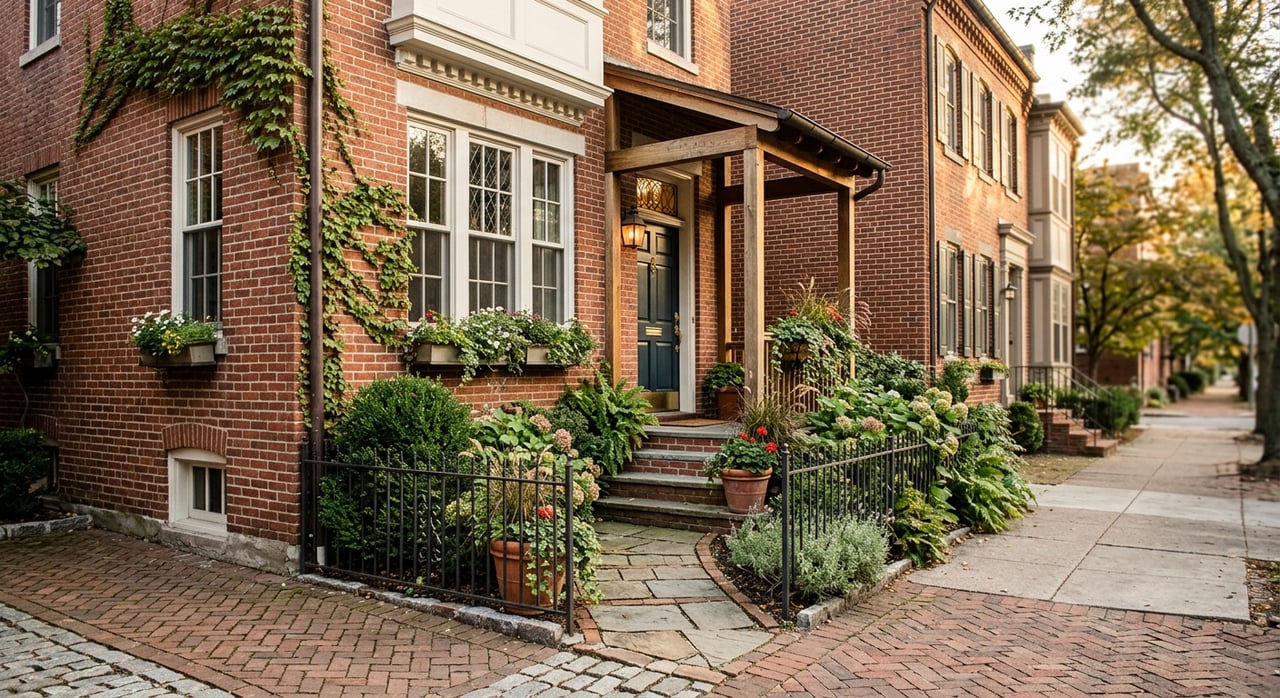
In the historic district, the city’s guidelines place value not just on buildings, but also on site layout, setting, and landscaping. That matters because the overall impression of an older neighborhood comes from more than the homes themselves. It comes from how the streets, yards, and mature surroundings work together.
You can also see that layered character in the home styles associated with older Madison. The historic district includes Queen Anne, Folk Victorian, Colonial Revival, Bungalow/Craftsman, and Minimal Traditional architecture. Even if you are not naming styles as you drive around, you may notice more variety and a more lived-in look than in a brand-new subdivision.
Streets often feel mature and lived-in
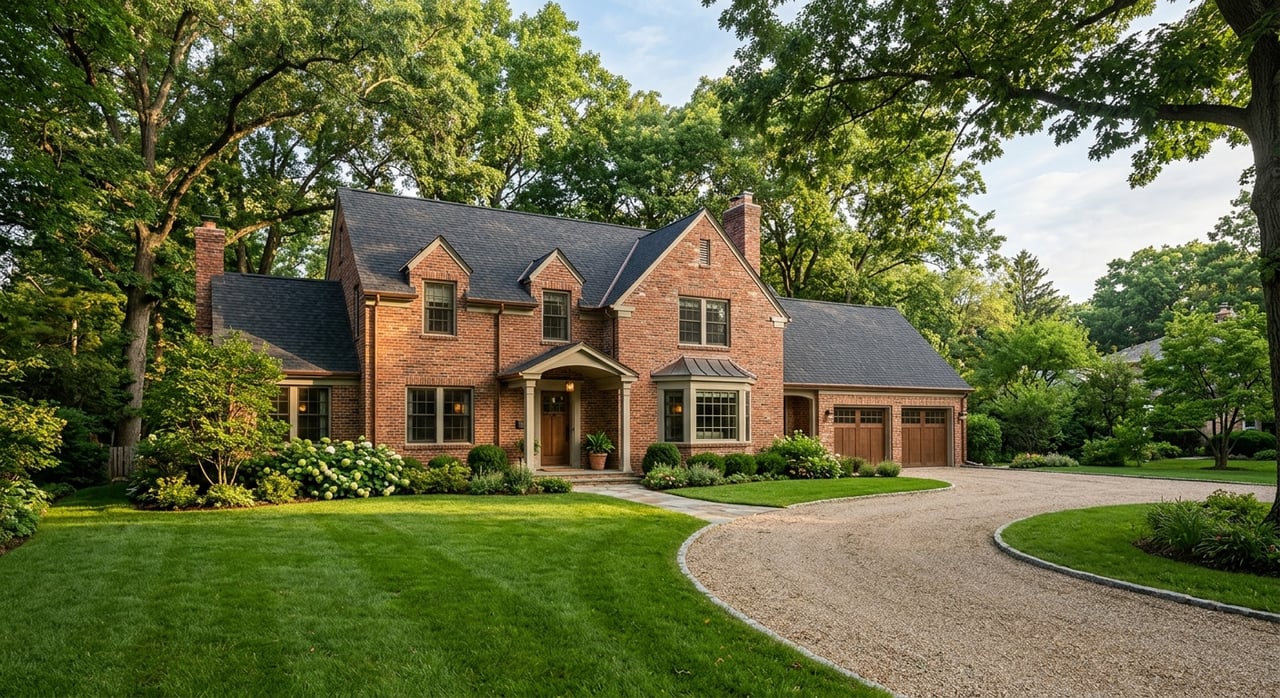
One of the clearest differences in Madison’s established areas is the visual maturity of the streetscape. Older neighborhoods tend to feel settled rather than recently assembled. That often shows up in landscaping, lot presentation, and the way homes sit within the block.
Citywide patterns support that impression. Madison has a 74.0% owner-occupied housing rate, and 85.8% of residents age 1 and older lived in the same home one year earlier. Those numbers suggest a community where many households stay put, which can contribute to a more stable, established neighborhood feel.
Madison also puts visible attention on appearance over time. The city’s Beautification & Tree Board and annual landscape-focused awards reflect an ongoing local interest in trees, yards, and neighborhood presentation. For you as a buyer or seller, that can translate into streets that feel cared for and consistent.
Downtown adds a real center
Established neighborhoods in Madison are not just older residential pockets. They are also tied to a downtown area with a distinct identity. That connection gives these neighborhoods a stronger sense of place than you might expect in a fast-growing suburban market.
Downtown Madison has gained more formal momentum in recent years. The city received Main Street Alabama designation for Downtown Madison in 2025, and it later launched a Historic Downtown Entertainment District to support merchants and increase foot traffic in the historic core. In practical terms, that means downtown is not just a backdrop. It is an active part of how the area functions.
For your day-to-day life, this can shape the rhythm of the neighborhood. Instead of relying on one large retail hub, Madison’s shopping and dining are spread across multiple corridors, with downtown small businesses playing a visible role. That mix can make older parts of Madison feel connected, local, and a little more personal.
Errands happen across several corridors
If you are moving to Madison from a place with one dominant town center, this is useful to know. Madison’s retail pattern is more distributed. You will likely use a mix of downtown businesses and larger corridor-based stores depending on what you need.
Current city economic development updates point to both downtown shops and corridor retailers. Examples include downtown spots like Blue Apple Books, Lemon and Lavender, and Zanotta’s Ristorante, alongside businesses such as Aldi, Scooter’s Coffee, and Bath & Body Works in other shopping areas. That creates a practical blend of convenience and local character.
For many buyers, this means established neighborhoods can offer a quieter residential feel without feeling isolated. You may have an older street with mature surroundings, then a short drive to downtown activity or everyday retail. That balance is part of the appeal.
Parks are part of daily life
Another reason Madison’s established areas can feel settled is how closely they connect to recreation and routine. The city’s parks and community facilities help older neighborhoods feel active, not frozen in time. They support everyday living in a very practical way.
Dublin Memorial Park is a major example. This 60-acre city park includes walking trails, disc golf, pools, tennis courts, soccer fields, pickleball, and playground space. Palmer Park adds a large sports footprint with baseball, softball, soccer, football, and pavilion areas.
Madison also offers indoor recreation through the Madison Community Center and Town Madison Wellness Center. Together, these spaces help create a lifestyle that feels established and functional. If you are thinking about where you would walk, play, or spend a Saturday, these amenities matter.
Community events shape the vibe
Neighborhood feel is not just about homes and roads. It is also about what brings people out regularly. In Madison, recurring events and downtown traditions help reinforce a steady, community-centered rhythm.
The city calendar includes events like Third Thursdays on Main, along with holiday traditions around Main Street. These kinds of events give older parts of Madison an active social backdrop without changing their residential character. You get a sense that the historic core is used and appreciated, not just preserved.
That can be especially meaningful if you want a neighborhood that feels connected to something larger than its subdivision entrance. For many people, that visible community rhythm is part of what makes an area feel like home.
Commutes are convenient but not effortless
Madison’s location is one of its biggest practical strengths. The city sits next to Huntsville, Huntsville International Airport, Redstone Arsenal, and Cummings Research Park. For many buyers, that central access is a major reason to consider Madison in the first place.
The mean travel time to work in Madison is 20.2 minutes based on the 2020 to 2024 Census estimate. That is a useful benchmark, but it does not mean every route feels easy at every hour. In a growing market, convenience and congestion can exist at the same time.
City planning materials identify I-565, Highway 72, County Line Road, and Madison Boulevard as key transportation corridors. The city also opened the full I-565 interchange at Town Madison in 2025 to improve movement and reduce congestion. Even so, planning documents note that traffic in the Old Madison Pike growth area can back up as commuters move toward Research Park.
For you, the tradeoff is fairly straightforward. Established neighborhoods can feel centrally placed and well-connected, but peak-hour driving is still part of daily life. If commute is a top priority, it helps to look at specific routes and timing rather than just map distance.
Older areas differ from newer growth zones
If you are comparing neighborhoods across Madison, the contrast between established and newer areas is worth paying attention to. Older neighborhoods are generally associated with history, landscaping, and mixed-age character. Newer areas are more closely tied to corridor growth, recent business additions, and major infrastructure changes.
City planning and development sources point to activity in Town Madison, the Madison Boulevard and I-565 corridor, County Line Road, and Highway 72 as part of the city’s newer growth pattern. Those areas can offer newer construction and a more development-oriented feel. That is not a negative or positive by itself. It simply creates a different kind of living experience.
By comparison, established neighborhoods around older parts of Madison often feel more layered and tree-lined. The streets may feel less uniform, the homes may show more variety, and the setting may feel more rooted in the city’s long-term identity. If you like character, that difference may matter a lot.
What buyers should notice in person
When you tour established neighborhoods in Madison, try to look past square footage alone. Pay attention to how the street feels at different times of day. Notice the landscaping, the spacing of homes, and how easily you can get to parks, downtown, and your main commute routes.
It also helps to compare the atmosphere of older streets with nearby growth corridors. One may feel more peaceful or visually mature. Another may feel more convenient for your particular routine.
There is no universal right answer. The best fit depends on whether you value charm, access, newer construction, lower-maintenance expectations, or a blend of those factors. A patient, neighborhood-by-neighborhood approach usually leads to a better decision.
What sellers can learn from this
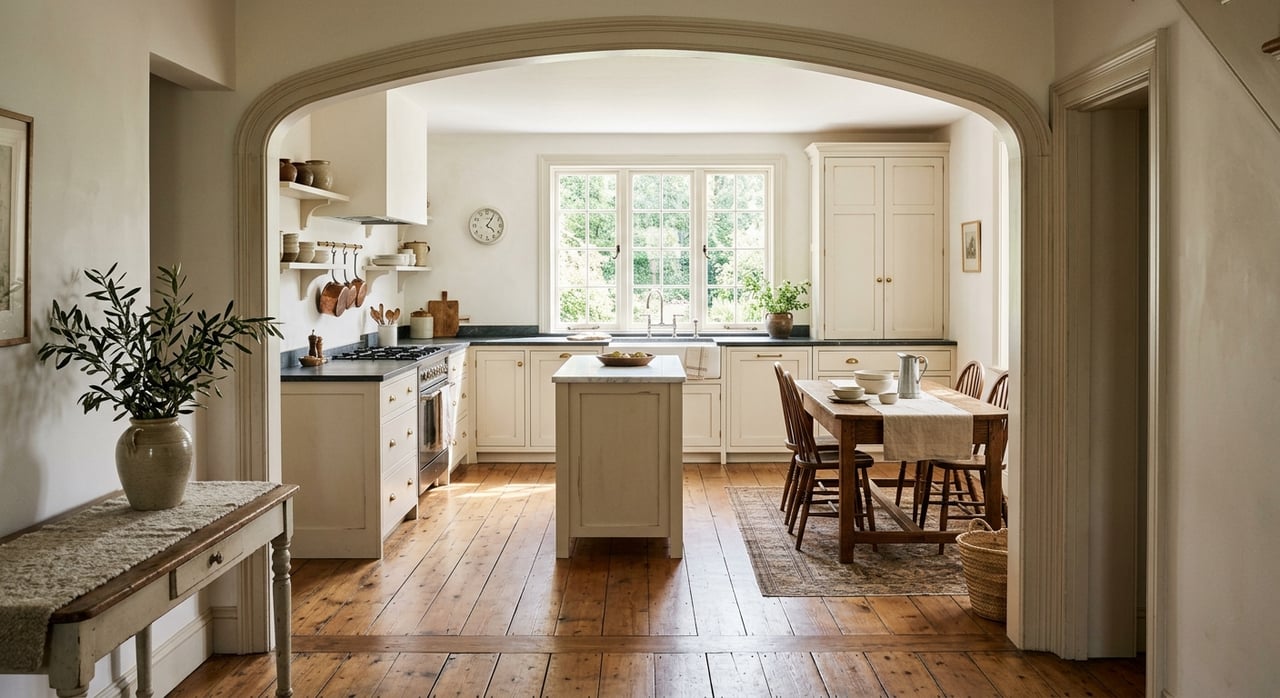
If you own a home in one of Madison’s established neighborhoods, the neighborhood itself may be part of your home’s appeal. Buyers who are drawn to older areas are often responding to more than the floor plan. They may also care about the street, landscaping, downtown access, and the sense of permanence around the property.
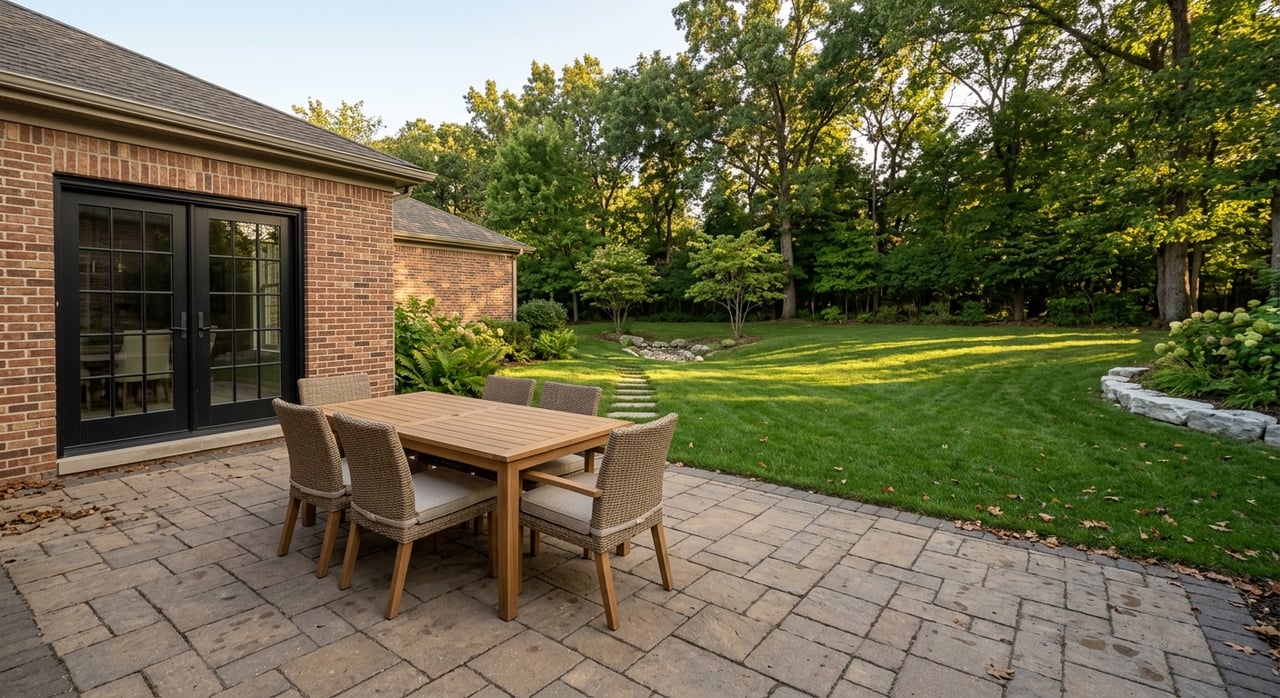
That means presentation matters. Clean exterior appearance, thoughtful landscaping, and a well-prepared interior can help buyers connect your home to the broader feel they already want. In an established area, details often carry extra weight because buyers are paying attention to character and context.
If you are not sure how to position your home, it helps to get candid advice early. The right prep plan can focus your time and budget on what actually supports your sale, rather than on updates that do not move the needle.
Madison’s established neighborhoods tend to appeal to people who want more than a new address. They want a street that feels rooted, a downtown that feels active, and a daily routine that blends convenience with character. If that sounds like what you are after, having a local guide can make it much easier to sort through the tradeoffs and find the right fit. When you are ready to talk through Madison neighborhoods, commute priorities, or how to prepare a home for sale, schedule a consultation with Alice Battle.
FAQs
What do established neighborhoods in Madison, AL usually feel like?
- They often feel more rooted and visually mature, with mixed-age homes, established landscaping, and a stronger connection to Madison’s historic core.
How is downtown Madison connected to older neighborhoods?
- Downtown gives many established areas a clear center of gravity through local businesses, events, and the historic core’s active commercial identity.
Are Madison’s established neighborhoods convenient for commuting?
- They can be centrally located near major employment hubs and key roads, but peak-hour traffic on important corridors is still part of daily life in a growing city.
How do older Madison neighborhoods differ from newer subdivisions?
- Older areas tend to feel more layered and tree-lined, while newer areas are more associated with recent development, corridor growth, and newer infrastructure.
What should home buyers look for in Madison’s older neighborhoods?
- Focus on street feel, landscaping, access to parks and downtown, and how the commute works for your real daily routine, not just the home itself.
What can sellers highlight about homes in established Madison neighborhoods?
- Sellers can emphasize the home’s setting, mature surroundings, neighborhood character, and access to downtown, parks, and everyday conveniences.